

Cryotherapy for Pets: A Modern, Minimally Invasive Treatment Option for Cats and Dogs

5
Min Read
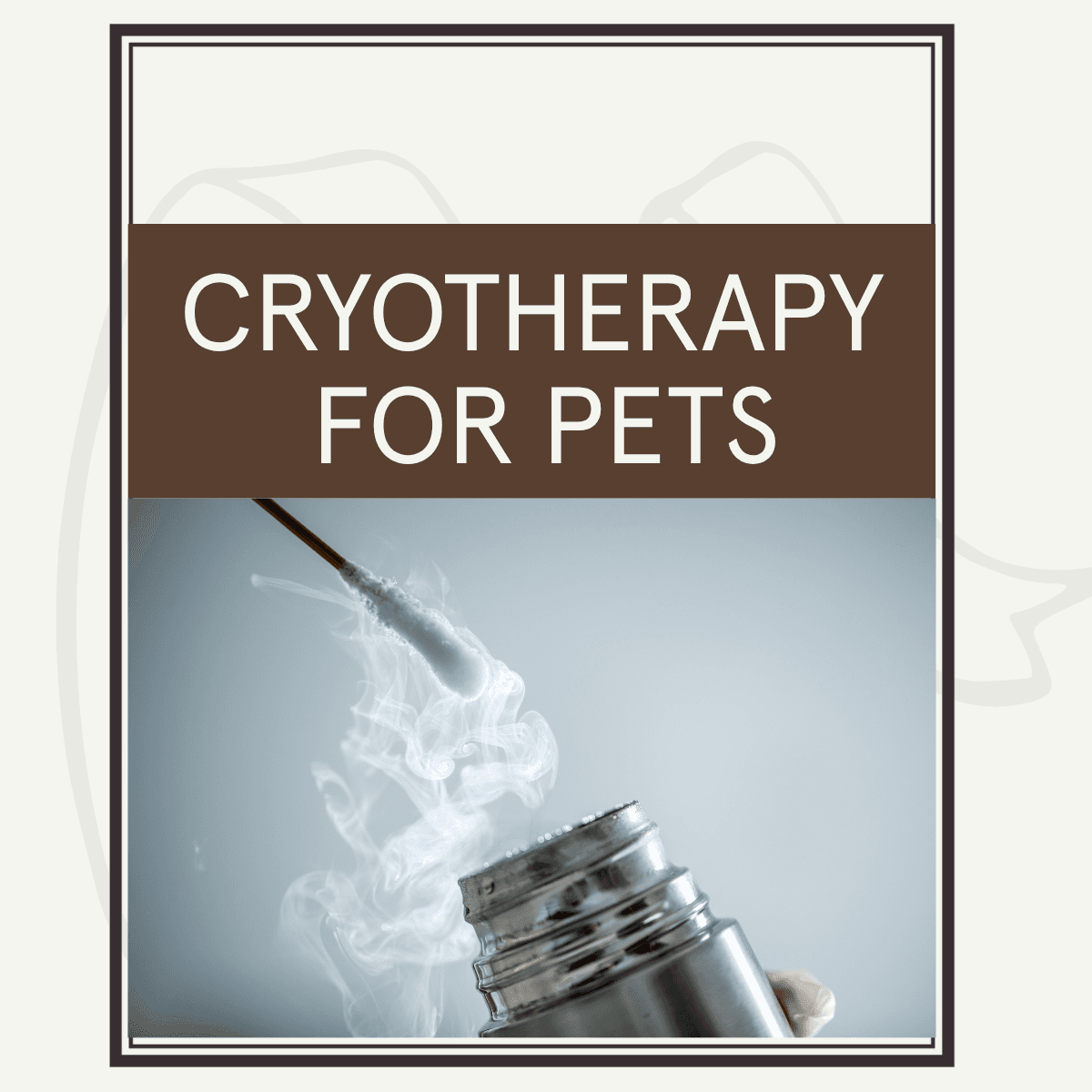
Cryotherapy for Pets: A Modern, Minimally Invasive Treatment Option for Cats and Dogs
As veterinary medicine continues to evolve, more treatment options are becoming available that prioritize precision, comfort, and faster recovery times for pets.
One of those options is cryotherapy, a minimally invasive procedure that uses controlled freezing to treat certain skin lesions and growths in dogs and cats.
At Novel, we believe in offering treatment options that support both effective medical care and a positive patient experience. Cryotherapy can be an excellent option for select cases, especially when early intervention is possible.
What Is Cryotherapy?
Cryotherapy is a treatment that uses extremely cold temperatures to target and destroy abnormal or unwanted tissue.
Using controlled freezing, affected cells are treated while minimizing damage to surrounding healthy tissue. Over time, the treated tissue naturally breaks down and heals.
Cryotherapy is commonly used in veterinary medicine to treat:
Benign skin growths
Certain superficial masses
Skin tags
Warts
Some small lesions or areas of abnormal tissue
Not every growth is appropriate for cryotherapy, which is why a veterinary assessment is always important before treatment.
Why Pet Parents Are Interested in Cryotherapy
One of the biggest benefits of cryotherapy is that it is often less invasive than traditional surgical removal.
Depending on the location and type of lesion, cryotherapy may:
Reduce discomfort
Require less recovery time
Minimize bleeding
Lower the need for sutures
Create less disruption to surrounding tissue
Be completed more efficiently in select cases
For many pets, this can mean a smoother recovery experience overall.
Early Detection Matters
Skin changes are common in both dogs and cats, especially as they age. While not every bump or growth is dangerous, it’s important not to ignore new or changing lesions.
Pet parents should monitor for:
New lumps or bumps
Changes in size, shape, or colour
Areas of irritation or bleeding
Raised skin lesions
Persistent scabs or sores
Early assessment allows your veterinary team to determine the most appropriate next steps and whether treatments like cryotherapy may be an option.
What to Expect During Treatment
The exact process depends on the location, size, and type of lesion being treated.
In many cases, the affected area is carefully targeted with controlled freezing. After treatment, the tissue gradually heals over time. Some lesions may scab or shrink before resolving completely.
Your veterinary team will provide guidance on:
Healing expectations
Monitoring the treatment area
Activity restrictions if needed
Follow-up care
As with any medical procedure, every pet’s situation is unique.
Is Cryotherapy Right for Every Pet?
Cryotherapy can be a valuable treatment option, but it is not appropriate for every type of mass or skin condition.
Some lesions may still require:
Diagnostics
Cytology or biopsy
Surgical removal
Additional treatment or monitoring
That’s why a thorough veterinary examination is essential before deciding on any treatment plan.
Supporting Modern, Compassionate Veterinary Care
At Novel, we’re committed to exploring treatment options that prioritize patient comfort, recovery, and long-term wellness whenever possible.
Cryotherapy is one example of how veterinary medicine continues to evolve toward more targeted, minimally invasive care for pets.
If you’ve noticed a new skin growth or lesion on your pet, our team is here to help assess your options and guide you through the next steps with education, transparency, and support.
Because proactive care can make all the difference.

© 2026. All Rights Reserved.
Follow us

